
The Soil Science
The first point of every design is to establish a healthy soil. The soil is a living community of millions of microbes, insects, worms, and fungi – all working in symbiosis to help keep the plants and planet healthy.
Understanding more than just what is on show to the human eye is incredibly important in designing a landscape that is sustainable and built to last. Through our in-depth knowledge of soil science, we assess the biochemistry of the area to allow us to create a bespoke design that is made specifically for your environment.
Climates differ tremendously from country to country, town to town, and maybe more surprisingly, from garden to garden. Each has a slightly different and unique climate to another in the same road. No two outdoor spaces are the same. There will be areas where the conditions differ from the local climate, these being what is termed as microclimates.
The microclimates have a large impact on our design as they make every space individual and within any one garden or outdoor area there can be several microclimates. Each containing unique properties that can influence the types of flowers and fauna that can be grown.
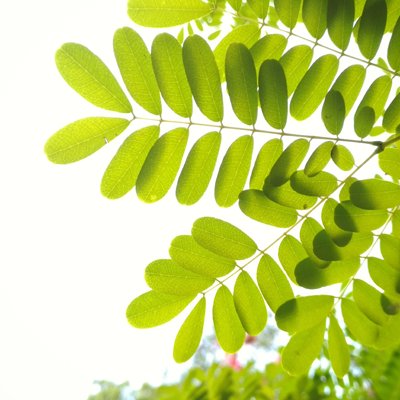
There are several factors that contribute to the individuality of these microclimates such as – aspect, drainage, shade, and topography:
- Aspect – Depending on the direction the garden or outdoor area faces, will have a tremendous effect on the amount of light and heat it receives. South-facing has the benefit of additional warmth and light but are prone to climate extremes whereby a north-facing garden has a more equable climate that is favoured by hardy plants.
- Drainage – Outdoor areas that are in particularly low-lying areas and, especially when near rivers or ditches, can have water levels that come close to the surface causing a boggy environment. Raised beds is one way to help counteract this issue as well as installing suitable drainage.
- Shade – Fences, hedges, trees, and walls etc all cast shade. Depending on the aspect of the garden the amount of shade will determine which parts of the garden would be most suitable for alternative types and species of plants and other vegetation.
- Topography – Hills and mounds intercept rain and those facing west / south-west are usually wetter than those with other aspects. Additionally, the higher the garden is above sea level, the more likely it is to be exposed to the elements. Dips and hollows in the ground can tremendously influence exposure as they act as collection points for cold air to accumulate on nights with frost.
These factors along with our wealth of knowledge in soil science and biochemistry, allow us to focus on designing a functional outdoor area that is sustainable, eco-friendly and above all makes the space a work of heart.
Contact
Have any questions or would like to discuss a design for your outdoor space? Please head to our Contact page and fill out the online form or alternatively,you can call us directly on 01273 107326 / 07565 842951.