
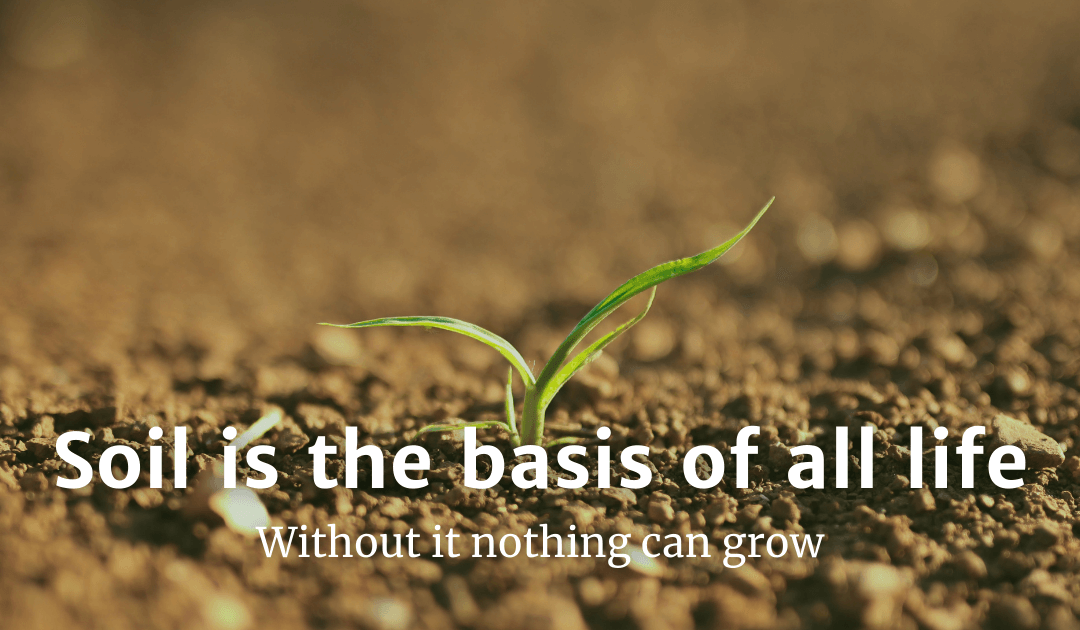
What is Soil Science? Why is it so important to Landscape Design? The soil might seem insignificant but it is quite the opposite. Soil fluctuates considerably from area to area and investigating the soil present will determine which flora and fauna will flourish. Not all plants can survive in all types of soil. There are a number of reasons why and these are explained later on.
Left untouched by humans, soil is very rarely disturbed by nature itself. Occasionally a tree might fall, or mammals might dig a small hole but generally soil is very rarely disturbed or turned. This has led to a very intricate microscopic and delicate ecosystem within the soil. A single teaspoon (1 gram) of rich garden soil can hold up to one billion bacteria, several yards of fungal filaments, several thousand protozoa, and scores of nematodes. Who said soil was boring?
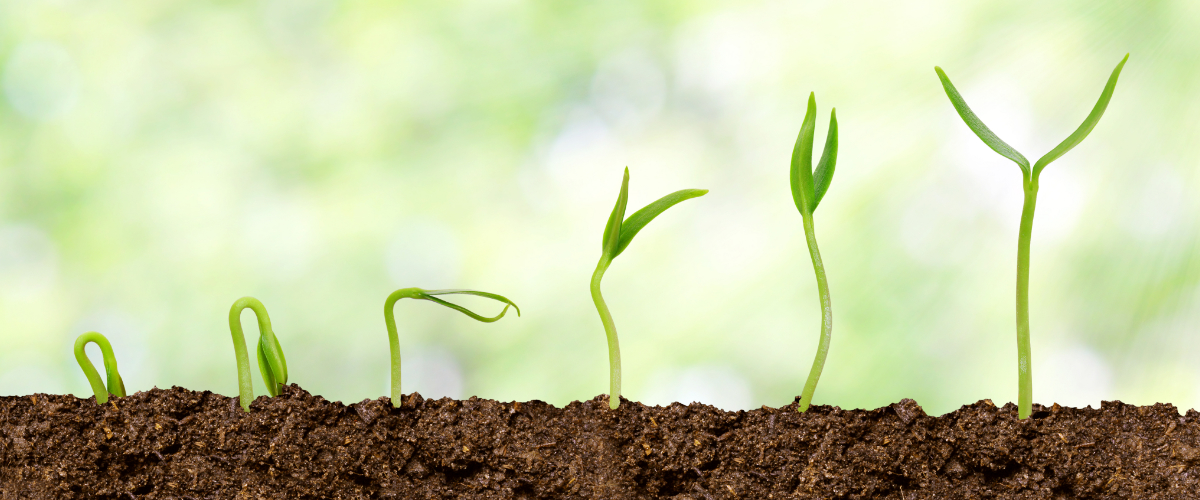
Understanding how the soil interacts with plants on a microbial level is crucial to maintaining a healthy ecosystem. Plants and soil work in symbiosis where plants feed mycorrhizal fungi sugars from photosynthesis in return for the mycelium obtaining nutrients from the soil. Soil structure and its base components vary from site to site and can vary massively over short distances. Your outdoor space really could be completely different to your neighbours. It is important to undertake a thorough investigation of your space to assess the soil quality and makeup.
The geology and base make up of soil will greatly influence what can be planted whereas most plants have a preferred soil type. Soil pH is one of the biggest influences on plant placement and often the plants growing in any given area can tell you roughly whether the soil is acidic or alkaline. Knowing which too plant where is essential in ensuring the fauna and flora can continue to flourish for the years ahead.
Establishing a healthy, organic undisturbed soil is a primary focus with all SolSeed designs. Healthy soil, healthy plants, healthy people, healthy planet. With a naturally healthy soil, plants will always grow more vigorously, be stronger, including at fighting off pests, be more disease resistant, require less watering and produce higher yields. Feeding the soil in the same way nature does is the simplest way to maintain any ecosystem, naturally through leaf fall and plants dying the soil is fed.
In a designed system where yields are taken it is essential to plan for this and make sure that there is an adequate amount of supporting plants such as nitrogen fixers or mineral accumulators whose sole purpose in the garden is to feed the soil. These plants are often great for other purposes too like pollinator attraction.
Understanding more than just what is on show to the human eye is incredibly important in designing a landscape that is sustainable and built to last. Through our in-depth knowledge of soil science, we assess the biochemistry of the area to allow us to create a bespoke design that is made specifically for your environment.
Considering using SolSeed Landscapes to design your perfect outdoor space? Please head to our Contact page and fill out the online form or alternatively, you can call us directly on 01273 107326 / 07565 842951. We look forward to learning how we can nurture your landscape for the future.